
Recommended Services
Supported Scripts
App Development · Utrecht
Applications for incoming requests.
Complete the first useful task.
A useful app gives each request a clear status, owner and next action. Define the smallest complete journey before adding more screens. Build one complete user task before extending the application’s feature list.
- Web applications and portals
- Tools for your team and customers
- Connections to your existing systems

PURPOSE BEFORE TECHNOLOGY
A useful first version.
A clearer next decision.
We define the task, the people involved and the information they need before selecting technologies.
Customer portals
Give customers or staff access to the records and actions relevant to their role.
Internal tools
Organise a repeatable internal process with clear responsibilities and visible progress.
Digital products
A focused first release that tests the core service before the product grows.
A FIRST RELEASE WITH A CLEAR PURPOSE
A defined first release.
Not an endless wish list.
The scope prioritises a complete core journey over a larger collection of unfinished features.
- Core user journey and user roles
- Features and data for the first release
- Dependencies on third-party services
- Testing and acceptance criteria
THE PROJECT PLAN
Turn requirements
into a working release.
- Goal—what needs to change for the user
- Workflow—how the core task is completed
- Data—what is stored and who can access it
- Release—what is delivered and how it is tested
DEVELOPMENT IN CLEAR STAGES
See what is ready.
Know what comes next.
01
Discovery
We document user roles, required actions, data sources and practical constraints.
02
Prototype
A prototype helps expose missing steps and confusing decisions early.
03
Development
Development proceeds through agreed stages, with demonstrations and functional checks.
04
Testing & release
We check the release, organise deployment and clarify ongoing support responsibilities.
Connected applications.
Less duplicated information.
- CRM and customer service tools
- E-commerce and payment services
- Files, databases and reports
- APIs and automated updates
INTEGRATIONS THAT MAKE SENSE
Put the right record
in the right place.
Integrations are planned around record ownership, access and the direction of each update.
We identify third-party dependencies early so unavailable functions do not become a late surprise.
BEYOND THE FIRST RELEASE
Think beyond launch day.
Roles & access
Access rules are designed into the product rather than added after the interface is finished.
Testing real workflows
Testing includes what happens when a request fails or the user does not follow the expected path.
Handover & maintenance
We clarify documentation, fixes and future development before handover.
FREQUENTLY ASKED QUESTIONS
Questions before the first release.
Agree field mapping, cleanup rules and a verification sample before importing. Keep a way to reconcile the imported data and decide how changes during the transition are handled.
Use filters that help users distinguish the products they need. Start from the catalogue data and representative search tasks, then test whether the controls improve the result.
Usually it can be one application with an appropriate language model. The architecture depends on shared data, translation ownership and any genuinely different market rules.
List the tasks and records each audience needs, then grant only the relevant access. Include staff administration and account recovery in the model rather than treating them as later additions.
They may need different views of the same records. Define each role’s tasks and access so the application presents the right controls without exposing unnecessary information.
A PRACTICAL STARTING POINT
Make bookings a coherent application workflow.
An application can coordinate availability, customer details and staff actions. Model the booking states and exceptions alongside the interface.
01 · Prepare
Identify availability rules, required customer details and who can change a confirmed booking.
02 · Verify
Try an available slot, an unavailable slot and a cancellation. Check the customer message and the team’s own record.
03 · Keep ownership clear
Record the booking rules and the person responsible for capacity, cancellations and customer follow-up.
Illustrative sequence. The actual configuration and responsibilities follow the agreed requirements.
DELIVERY & OWNERSHIP
Check readiness before demand increases.
Describe the expected busy period and the activity behind it. Separate a known event or planned launch from an unsupported assumption about future growth.
01 · Prepare
Check concurrent actions, important limits and the expected user journey.
02 · Verify
Check simultaneous actions and the expected user journey against the application’s important operating limits.
03 · Keep ownership clear
Assign observation of usage and the criteria for extending resources or application functionality.
OUR WORK
Applications built around real tasks.
Selected work in bookings, portals and digital products.
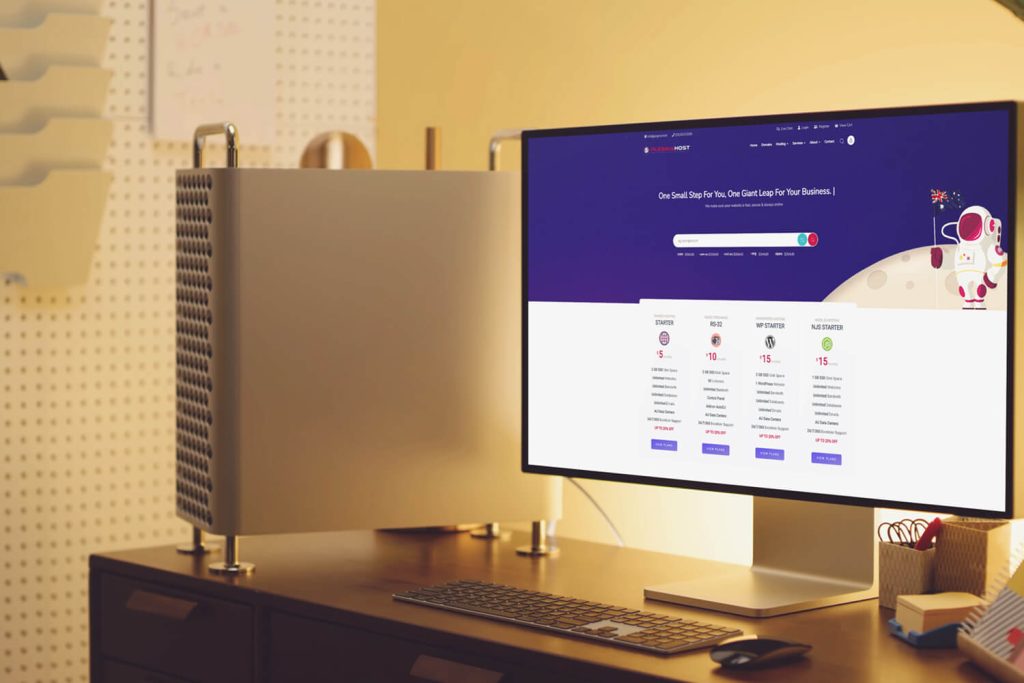
PlegmaHost
A corporate website connected to WHMCS
We developed a WordPress website linked to WHMCS, organising package information, registration and service management into one customer journey.
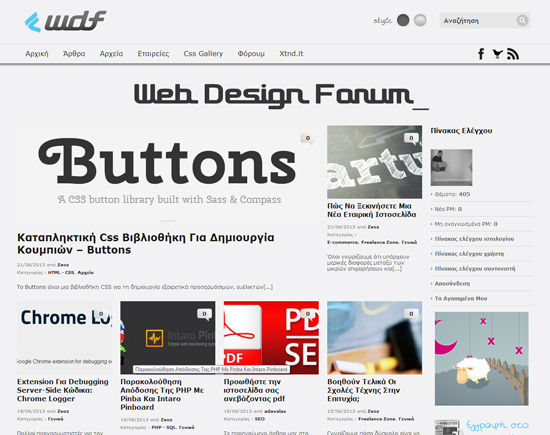
Web Design Forum
A community for knowledge and experience
We built a community environment with news, guides, project collections and member interaction for designers and developers.
IN OUR CLIENTS’ WORDS
“They always deliver and are very creative with web design/development. They are absolute masters of WordPress. They have also been great with dealing with a large number of stakeholders within business.”
Joel K. · Jim’s Group
SERVICE AREA
For your audience in Utrecht.
Products and catalogues.
Serving Utrecht can involve customers with different usage patterns. Describe when and how the audience uses the service rather than assuming the city name predicts demand.
Check concurrent actions, important limits and the expected user journey.
The map identifies the audience area. Project scope, collaboration and delivery are agreed around the business and its users; it does not imply a local office.
- Users doing the work
- Exceptions and approvals
- Ownership of notifications
Utrecht
THE NEXT STEP
Tell us what you need
your application to do.
Describe the users, the problem and the outcome the first version must deliver.
YOUR NEXT STEP
Put permissions at the centre of the customer portal.
Explain who will use and maintain the result. We can make the responsibilities part of the scope from the beginning.
Model customer and staff permissions before choosing the application screens.