Social content
with a defined purpose.
We adapt the content to the chosen platforms while maintaining a recognisable business identity.

Digital Marketing · Leeds
Prospects, existing customers and members can need different messages and actions. Define the audiences and permission to contact them before choosing channels. Align campaign timing and spend with the business’s fulfilment and response capacity.

We define the audience, message and intended action, then select channels that fit those decisions.

Search visibility depends on accessible pages and content that answers relevant questions.

Each platform needs an appropriate message, not an identical post copied everywhere.

Choose the business action the campaign should support and define how it is recorded. A click or form event is useful only when the team understands what it represents.

Write the information a prospective customer needs before making an enquiry.

Keep customer communication relevant, with an agreed message and frequency.

Reporting distinguishes traffic from the enquiries and other actions that matter to the business.

Continue the campaign’s message on a page built around that particular offer.

Reports explain the work completed, the available evidence and the next justified change.

The work after the click matters. We examine the page, contact route and recorded actions before assuming that more advertising will solve the problem.
We adapt the content to the chosen platforms while maintaining a recognisable business identity.
We examine the steps between a visit and an enquiry before prioritising changes.

The options are discussed against your priorities, with external ad spend distinguished from management work.

€750

€1,500

€3,000
New campaigns can provide early observations, but decisions need enough relevant data. We agree what to test and how to assess it.
A PRACTICAL STARTING POINT
An enquiry campaign needs a clear offer, an appropriate landing page and a response process. Agree what counts as a qualified lead before comparing channel results.
Collect the services, common customer questions and the information needed to qualify an enquiry.
Follow an enquiry from the visitor’s first action to the person who receives it. Check validation, confirmation and the response process.
Name the owner of incoming enquiries and keep the fields and recipient details documented.
Illustrative sequence. The actual configuration and responsibilities follow the agreed requirements.
DELIVERY & OWNERSHIP
Identify the live users, active records and dependencies that must keep working. Agree when a change can take place and how new activity will be handled during the transition.
Review existing campaigns and tracking before changing the active acquisition journey.
Check existing campaign events and compare reporting definitions before changing the active offer or landing page.
Keep dated campaign changes and a clear owner for continuity of tracking and customer response.
OUR WORK
Selected work connecting identity, content and customer journeys.
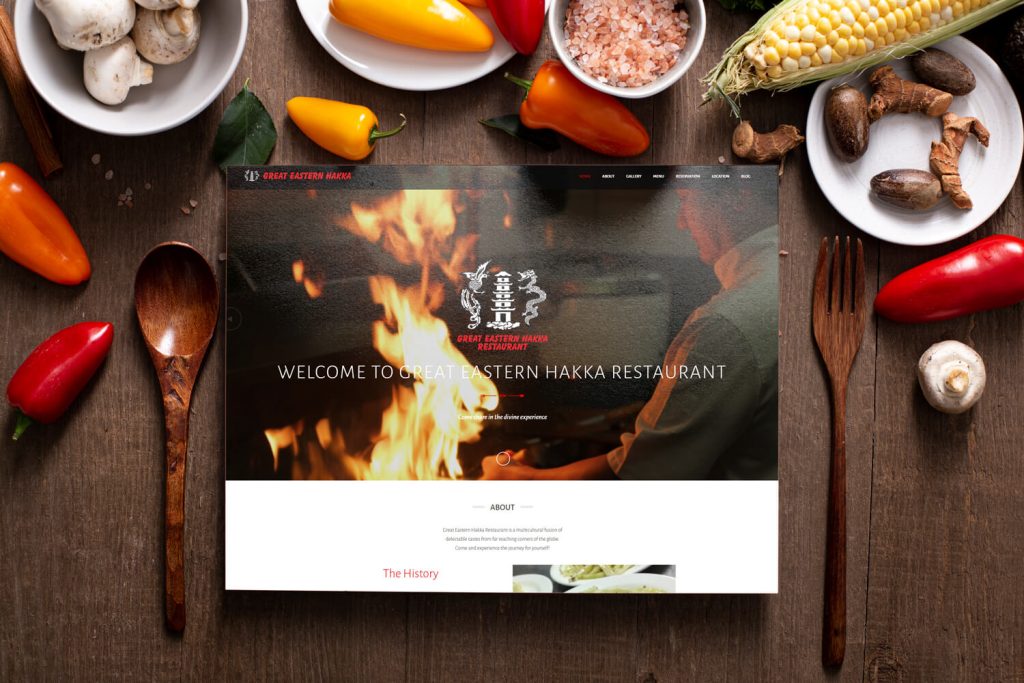
An online identity for a restaurant
We brought the restaurant’s character into a mobile-friendly website, combining visual material with the practical information visitors need.
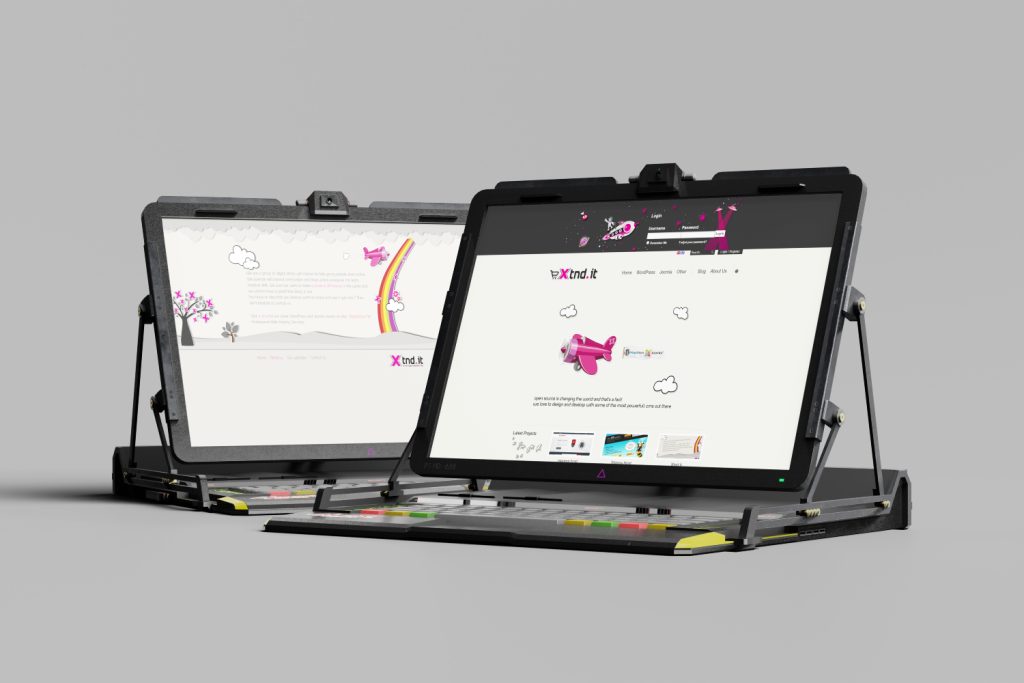
A distinctive WordPress identity
We created custom WordPress layouts and a strong visual language, connecting the company’s creative identity with its technology services.
IN OUR CLIENTS’ WORDS
“We could not ask for a more dependable partner to help us navigate the ever changing on-line landscape within our field and offer our customers the most user friendly experience possible.”
Ben S. · Classic Arabian Company
SERVICE AREA
The city shown on the map identifies the audience, not where every record is stored. Discuss the information flow and any specific requirements separately from the geographic page label.
Check the permitted use of contact lists and the information required for conversion tracking.
The map identifies the audience area. Project scope, collaboration and delivery are agreed around the business and its users; it does not imply a local office.
PRACTICAL QUESTIONS
Questions about the work, the checks and the handover.
Only if its message and conversion path reflect the available offer. Agree how capacity changes reach the campaign owner so spend is not directed at an unavailable service.
Revenue matters, but margin, returns, ad costs and the work required to fulfil orders also affect profitability. Agree which measures the available data can support.
Sometimes, but the objective is often different. Separate acquisition, retention and account communication where it improves relevance and reporting; avoid unnecessary segmentation without usable data.
YOUR NEXT STEP
Tell us what is changing, when it matters and what evidence you already have. We can assess the preparation that is actually justified.
Align campaign timing and spend with the business’s fulfilment and response capacity.