
Recommended Services
Supported Scripts
SEO Services · Dublin
SEO for language alternatives.
Agree the review owners.
Language, canonicals, internal links and hreflang should support genuine equivalents. Useful market content matters alongside the technical signals. Identify who approves technical changes and who owns content reviews.
- Technical audit and priorities
- Pages that answer real search queries
- Evaluation based on data, not promises

FIRST, WE CHECK THE FOUNDATION
A useful audit
ends in decisions.
The audit separates urgent obstacles from optional improvements and issues that require further observation.
Technical health
Check whether search engines can access and interpret the intended pages without conflicting signals.
Structure & search intent
Assess whether each important service has a clear page and a useful place in the website structure.
Content quality
Titles, descriptions and page copy should help a visitor understand the service before making an enquiry.
FROM AUDIT TO PRIORITIES
Focus the work
where the evidence points.
We organise changes around key services, page condition and available search data.
- Pages and issues in a clear order of priority
- Recommended technical and content changes
- An agreed implementation scope
- Measurements before and after the changes
WHAT YOU NEED TO KNOW
What changed.
What the data supports.
We explain the findings and limitations so the report can support practical decisions.
- The issue or opportunity identified
- The URLs affected
- The proposed change and who will implement it
- The data we will monitor
AN ONGOING PROCESS
Review. Prioritise.
Implement. Reassess.
01
Assess
The starting review establishes what is known and where the evidence is incomplete.
02
Prioritise
Agree which findings merit action now and which can wait.
03
Improve
We implement the agreed changes or coordinate with the team responsible for the website.
04
Evaluate
Reassess once comparable data is available, rather than reacting to every daily fluctuation.
Visibility is the beginning.
Visitors looking for your services.
- Organic search impressions and clicks
- Queries and pages that bring visitors
- Progress by service and page group
- Enquiries and actions, where tracking is correctly configured
MEASUREMENT WITH CONTEXT
Understand the change
before explaining it.
We compare equivalent periods and examine which queries and pages attract relevant visitors. A ranking change alone does not prove a business outcome.
Search results depend on demand, competition and search-engine changes. No fixed position or traffic level is guaranteed.
FREQUENTLY ASKED QUESTIONS
What is worth knowing about SEO.
No. SEO concerns organic visibility. Advertising is a separate channel with its own management and advertising costs. The right choice depends on your goal and time frame.
No. Use a relevant replacement where one exists and handle removed content deliberately. A blanket homepage redirect can lose context and create a poor visitor journey.
No universal rule fits every catalogue. Evaluate useful search demand, duplication and crawl behaviour, then define an indexing strategy for the specific filter types.
Only where it serves a distinct, useful search need with adequate content. Avoid generating many thin pages for combinations that do not help visitors make a decision.
Existing measurements help us avoid decisions based on guesswork. We agree on the access needed and check whether the data is sufficient and correctly configured.
A PRACTICAL STARTING POINT
Give product and category pages distinct jobs.
A catalogue needs clear categories, useful product information and sensible crawl paths. Review actual query intent before changing templates or creating more pages.
01 · Prepare
Prepare representative products, categories, images and the information customers need before making a decision.
02 · Verify
Review a product on mobile and desktop, including variations, specifications and the next step to enquire or purchase.
03 · Keep ownership clear
Keep an owner for product information, stock-related connections and future catalogue changes.
Illustrative sequence. The actual configuration and responsibilities follow the agreed requirements.
DELIVERY & OWNERSHIP
Keep the first change small enough to verify.
Identify the one outcome that makes the initial work useful. Put later additions in a separate list so the first delivery has a clear boundary.
01 · Prepare
Choose a defined query-to-page problem and a meaningful observation period.
02 · Verify
Check the selected query and landing-page problem, then verify the technical or content change against that defined scope.
03 · Keep ownership clear
Record the baseline, intervention date and the observation period used to judge the result.
OUR WORK
Information with a clear structure.
Examples of organised services, catalogues and accessible content.
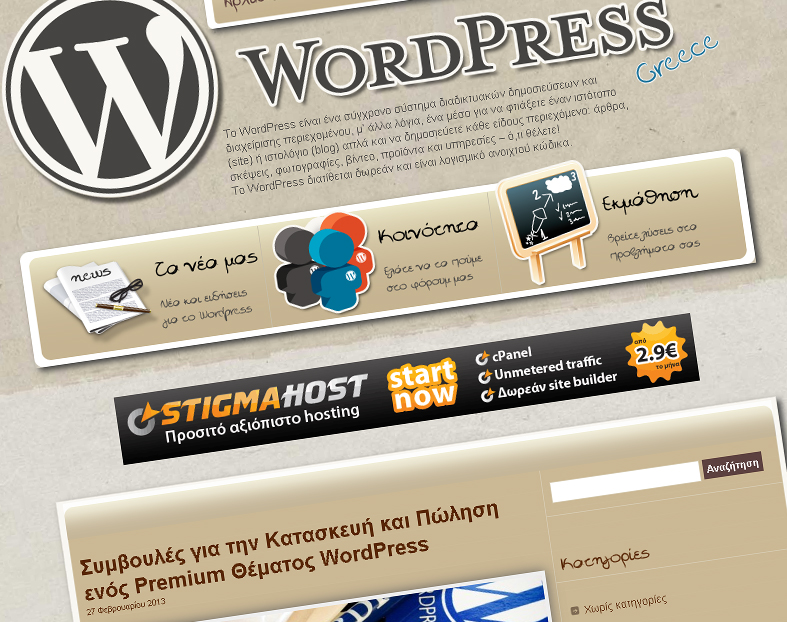
WordPress Greece
Content for the WordPress community
We created a WordPress website with news, learning material and collaboration tools for developers, businesses and people working with WordPress.
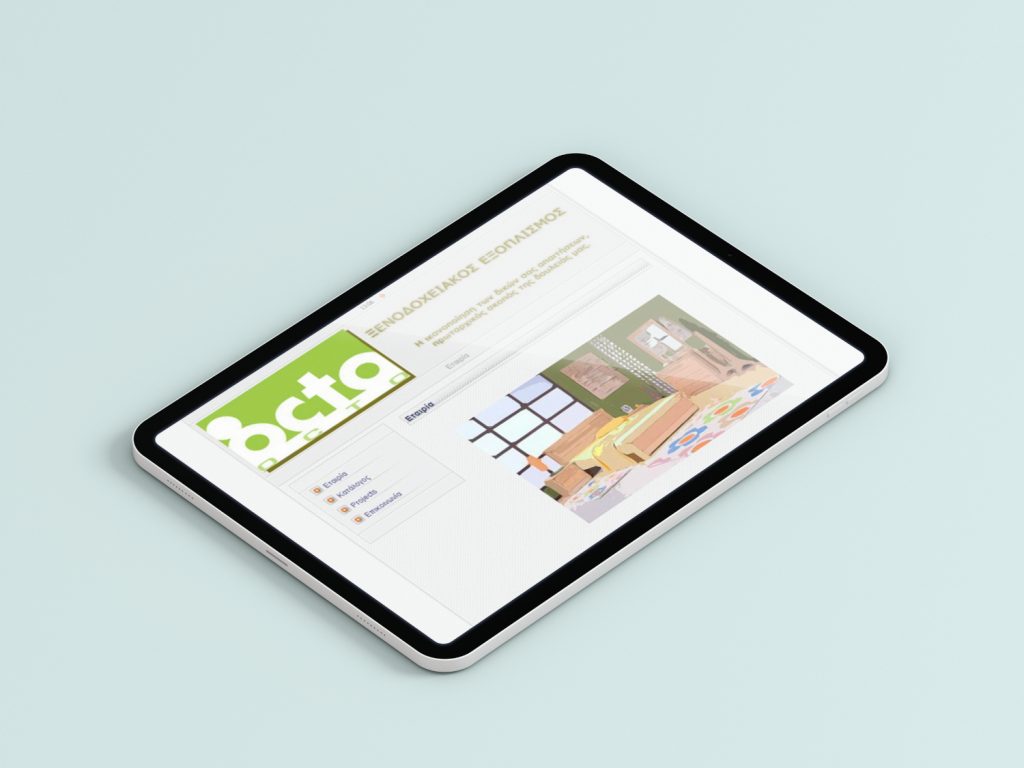
Octo
Product categories for hospitality professionals
We built a WordPress platform presenting hospitality furniture and equipment, organising categories and company information for professional buyers.
WEBSITE PROJECTS — CLIENT FEEDBACK
“We could not ask for a more dependable partner to help us navigate the ever changing on-line landscape within our field and offer our customers the most user friendly experience possible.”
Ben S. · Classic Arabian Company
SERVICE AREA
For your audience in Dublin.
Enquiries.
A business serving Dublin may also reach customers elsewhere. Define the audience and the actual service requirement before deciding which parts of a project need local wording or a different configuration.
Choose a defined query-to-page problem and a meaningful observation period.
The map identifies the audience area. Project scope, collaboration and delivery are agreed around the business and its users; it does not imply a local office.
- Queries and landing pages
- Service coverage
- Internal links and next steps
Dublin
THE NEXT STEP
Start with the pages that matter.
Tell us which pages and enquiries matter to your business. That provides a practical starting point for the assessment.
YOUR NEXT STEP
Keep private account areas out of the public content strategy.
Explain who will use and maintain the result. We can make the responsibilities part of the scope from the beginning.
Identify who approves technical changes and who owns content reviews.