
Recommended Services
Supported Scripts
Web Design · Nicosia
Web design for online bookings.
Retain useful content.
A visitor should understand what they can book, how availability works and what comes next. Design the surrounding content to answer those questions before the form. Retain useful content, recognisable navigation and important existing URLs in a redesign.
- Business websites and redesigns
- Designed for mobile, tablet and desktop
- Content and structure you can manage

MORE THAN A GOOD-LOOKING SCREEN
Identity, information
and navigation that belong together.
Visual character matters, but so does the order of information. We build both into the page structure.
A clear message
Explain who you help, what you offer and why the service is relevant before asking the visitor to act.
Intuitive navigation
Group services and supporting information into a navigation structure that follows the questions customers actually ask.
A recognisable identity
Typography, colour and imagery work as a system, with enough flexibility for future pages.
WHAT WE DESIGN
One visual language.
Across the whole website.
We establish reusable page elements so service pages, project examples and contact details stay visually connected.
- Page structure and content hierarchy
- Core page designs and reusable components
- Responsive layouts and navigation checks
- Handover with guidance on managing your content
Business website
Give visitors a concise introduction to your business, supported by useful detail rather than generic claims.
Landing page
Keep campaign visitors focused on the information they need to respond.
Website redesign
Keep useful content and replace the structural problems that make the current site hard to navigate.
Project showcase
Show the work and explain the brief, decisions and outcome behind it.
FROM FIRST CONVERSATION TO HANDOVER
Agree the direction.
Then build the detail.
Content and page priorities are agreed before we spend time refining individual visual details.
01
Goals & content
First we establish the purpose of the website and the information a customer needs before getting in touch.
02
Structure & design
We set out the navigation, page hierarchy and visual approach for your review.
03
Build & testing
Approved designs become responsive pages, with functional checks along the way.
04
Handover & continuity
Handover includes a walkthrough of the editing setup and an agreed list of any remaining work.
DESIGN + DEVELOPMENT
Designed for the visitor.
Practical for your team.
- Consistent buttons, forms and interaction states
- Readability and basic accessibility checks
- Working links and clear ways to get in touch
A FOUNDATION YOU CAN MANAGE
Your content.
Within your control.
For WordPress builds, the editing structure is prepared around the text and images your team needs to change.
If the project needs more than standard content pages, we define those features before including them in the build.
BEFORE WE BEGIN
Your first questions, answered.
Only where those screens are in the agreed scope. Identify the relevant roles and states before design begins so the handover covers the journeys the application needs.
That can expose avoidable layout problems. Use representative translated content while designing, especially for navigation, headings and buttons, and have the wording reviewed by an appropriate language owner.
They may have design limits. Aim for a recognisable identity, clear wording and an understandable handover within the controls available, rather than promising changes the external platform cannot support.
No. Prioritise the areas with a clear usability or business reason. Retain effective information and important URLs, and review the transition rather than treating change itself as the objective.
Yes. We start with your current content, structure and the things that are not working. We agree on what stays, what changes and how to manage the transition.
A PRACTICAL STARTING POINT
Give the catalogue a structure people can use.
A product presentation works when customers can distinguish options and find the information that matters. Establish the category structure and page hierarchy before visual polish.
01 · Prepare
Prepare representative products, categories, images and the information customers need before making a decision.
02 · Verify
Review a product on mobile and desktop, including variations, specifications and the next step to enquire or purchase.
03 · Keep ownership clear
Keep an owner for product information, stock-related connections and future catalogue changes.
Illustrative sequence. The actual configuration and responsibilities follow the agreed requirements.
DELIVERY & OWNERSHIP
Confirm the dependency before building around it.
Identify the provider, available access and the functions the external service actually supports. Include licence or usage restrictions that could affect the proposed work.
01 · Prepare
Account for the design limits of external booking, checkout or account tools.
02 · Verify
Check the transition from the website to its booking, account or checkout provider using the available design controls.
03 · Keep ownership clear
Document external design limits and the owner who can change the connected service.
OUR WORK
Design put into practice.
Different businesses. Specific requirements.
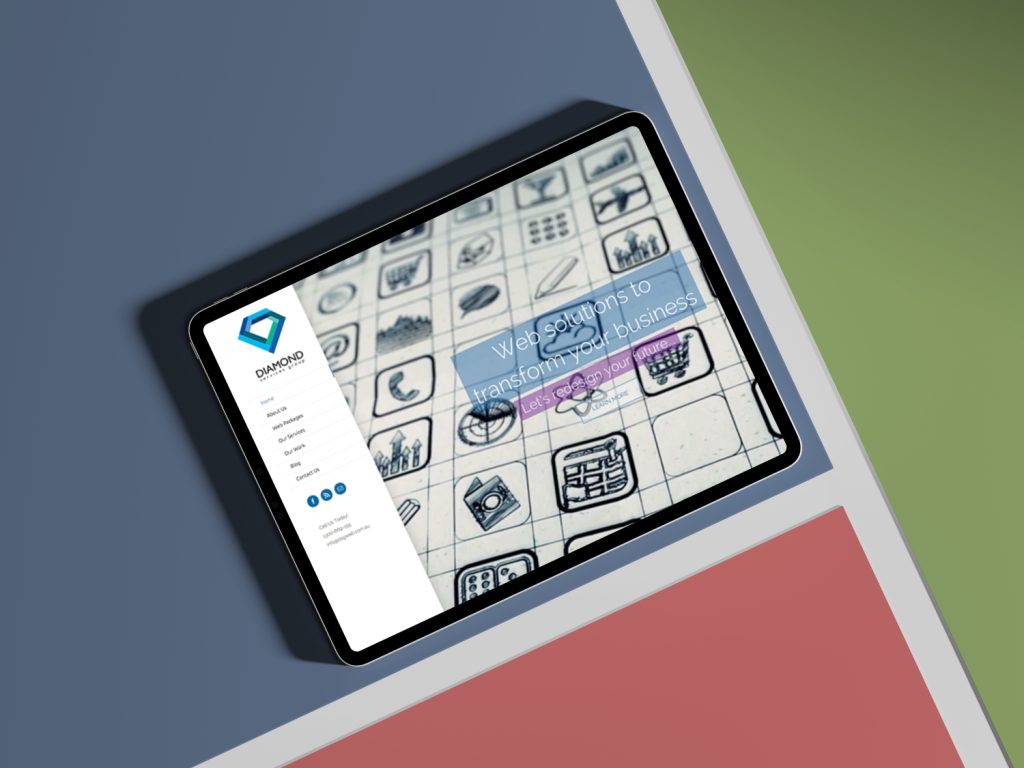
DSG Group / Diamond Web Design
Business identity and service information
We built a website with organised service sections, contemporary visual presentation and enquiry forms, bringing the studio’s work and identity together.
Jim’s Group
WordPress, bookings and connected systems
We developed a WordPress booking platform connected to the group’s management system, an Angular application for monitoring requests and a shared foundation for individual division websites.
IN OUR CLIENTS’ WORDS
“Their team is incredibly skilled and goes above and beyond to ensure everything runs smoothly. Our clients have noticed the difference, and so have we!”
Leslie A. · European Aluminum Systems
SERVICE AREA
For your audience in Nicosia.
Replacing an existing journey.
A service aimed at Nicosia still needs an operating plan after launch. The useful local context is the audience and its journey; maintenance follows the actual systems and people involved.
Make content editing and future page additions understandable at design handover.
The map identifies the audience area. Project scope, collaboration and delivery are agreed around the business and its users; it does not imply a local office.
- Audience and offer
- Questions before an enquiry
- Form and confirmation message
Nicosia
THE NEXT STEP
Start with what your website needs to do.
Send a brief outline of the business and the pages you need. We will help turn that into a practical starting brief.
YOUR NEXT STEP
Give the catalogue a structure people can use.
Tell us what is changing, when it matters and what evidence you already have. We can assess the preparation that is actually justified.
Check campaign landing pages and mobile journeys before an announced launch.