
Recommended Services
Supported Scripts
Web Design · Larissa
Web design for a product catalogue.
Make the first screen clear.
A product presentation works when customers can distinguish options and find the information that matters. Establish the category structure and page hierarchy before visual polish. Choose the core pages and the visitor action the initial design must support.
- Business websites and redesigns
- Designed for mobile, tablet and desktop
- Content and structure you can manage

MORE THAN A GOOD-LOOKING SCREEN
Make the offer easy to understand.
Make the next step obvious.
We judge each design decision by what it helps a visitor understand or do. Decoration should support the offer, not compete with it.
A clear message
Explain who you help, what you offer and why the service is relevant before asking the visitor to act.
Intuitive navigation
Connect the overview, detailed service pages and contact options so the visitor can move forward without losing context.
A recognisable identity
We carry your business identity through the website without sacrificing readability or ease of use.
WHAT WE DESIGN
One visual language.
Across the whole website.
A strong first screen is only useful if the rest of the website follows through. We check the complete journey, including the small screens.
- Page structure and content hierarchy
- Core page designs and reusable components
- Responsive layouts and navigation checks
- Handover with guidance on managing your content
Business website
Give visitors a concise introduction to your business, supported by useful detail rather than generic claims.
Landing page
Keep campaign visitors focused on the information they need to respond.
Website redesign
Keep useful content and replace the structural problems that make the current site hard to navigate.
Project showcase
Show the work and explain the brief, decisions and outcome behind it.
FROM FIRST CONVERSATION TO HANDOVER
A clear process,
not a surprise reveal.
Content and page priorities are agreed before we spend time refining individual visual details.
01
Goals & content
We review the offer, audience and available material, then define what the website must explain.
02
Structure & design
You see the proposed structure and design direction before the full build begins.
03
Build & testing
We build the agreed pages and test navigation, content and enquiry routes on different screens.
04
Handover & continuity
Handover includes a walkthrough of the editing setup and an agreed list of any remaining work.
DESIGN + DEVELOPMENT
Designed for the visitor.
Practical for your team.
- Consistent buttons, forms and interaction states
- Readability and basic accessibility checks
- Working links and clear ways to get in touch
A FOUNDATION YOU CAN MANAGE
Your content.
Within your control.
We explain which areas you can update yourself and where a structural change needs development work.
Online payments, specialist forms and external integrations are scoped separately so requirements and costs stay clear.
BEFORE WE BEGIN
Your first questions, answered.
No. A design project can use a suitable existing system. Custom rules and integrations need their own technical scope; the interface should reflect the system that will actually be used.
Yes. It can guide visitors to a qualified enquiry or quote request. Decide that purpose early so product information and calls to action support the actual sales process.
Only where those screens are in the agreed scope. Identify the relevant roles and states before design begins so the handover covers the journeys the application needs.
That can expose avoidable layout problems. Use representative translated content while designing, especially for navigation, headings and buttons, and have the wording reviewed by an appropriate language owner.
They may have design limits. Aim for a recognisable identity, clear wording and an understandable handover within the controls available, rather than promising changes the external platform cannot support.
A PRACTICAL STARTING POINT
Make the booking path easy to recognise.
A visitor should understand what they can book, how availability works and what comes next. Design the surrounding content to answer those questions before the form.
01 · Prepare
Identify availability rules, required customer details and who can change a confirmed booking.
02 · Verify
Try an available slot, an unavailable slot and a cancellation. Check the customer message and the team’s own record.
03 · Keep ownership clear
Record the booking rules and the person responsible for capacity, cancellations and customer follow-up.
Illustrative sequence. The actual configuration and responsibilities follow the agreed requirements.
DELIVERY & OWNERSHIP
Make the handovers understandable to the whole team.
List the people who provide information, approve changes and use the result. Separate everyday access from the ability to change important settings or publish material.
01 · Prepare
Identify who supplies copy, reviews the design and approves publication.
02 · Verify
Have the content owner and a representative visitor review headings, navigation and the intended action separately.
03 · Keep ownership clear
Record the approved design and who supplies copy, images and future page additions.
OUR WORK
Design put into practice.
Different businesses. Specific requirements.
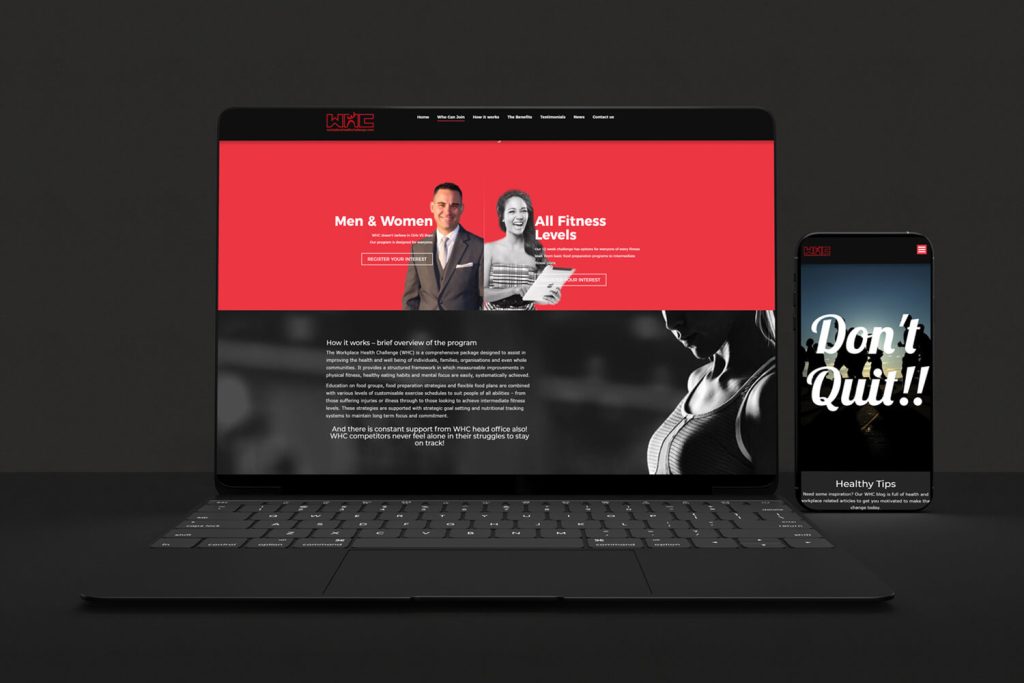
Workplace Health Challenge
A workplace wellbeing platform
We developed a mobile-friendly website for a workplace exercise and wellbeing programme, aligning its structure, identity and participation prompts around the programme.

Austranet Data & Security
Technical services, clearly organised
We organised networking, cabling, Wi-Fi and security services into a responsive website, helping prospective customers understand the services and request an appropriate quotation.
IN OUR CLIENTS’ WORDS
“We could not ask for a more dependable partner to help us navigate the ever changing on-line landscape within our field and offer our customers the most user friendly experience possible.”
Ben S. · Classic Arabian Company
SERVICE AREA
For your audience in Larissa.
Replacing an existing journey.
A service aimed at Larissa still needs an operating plan after launch. The useful local context is the audience and its journey; maintenance follows the actual systems and people involved.
Make content editing and future page additions understandable at design handover.
The map identifies the audience area. Project scope, collaboration and delivery are agreed around the business and its users; it does not imply a local office.
- Service hierarchy
- Evidence for each offer
- Clear enquiry routes
Larissa
THE NEXT STEP
Start with what your website needs to do.
Share your website address, your services and what you want to improve. We will discuss the scope before proposing the work.
YOUR NEXT STEP
Keep the brand recognisable across languages.
Share the existing providers and the connection you need. We can check the dependency before promising an implementation.
Account for the design limits of external booking, checkout or account tools.